How to Build a Simple Morning and Evening Beauty Supplement Routine

There is certainly a distinct aspect of modern anxiety that expresses itself through supplements. It usually begins with good intentions, escalates via social media and results in a kitchen cupboard that looks like a branch of Holland & Barrett after a small earthquake. Somewhere along the way, the original goal gets lost and your skin becomes confused by severe overconsumption.
In clinic, I see this pattern fairly often. Intelligent, motivated patients doing far too much by falling into the trap of believing exactly what the manufacturers want you to in order to ensure you’re terrified into buying a plethora of ‘essential’ supplements. The irony is that the most effective supplement routines for the skin are not particularly ambitious from the point of view of robustly verified clinical and scientific evidence. What works could be perceived as somewhat unexciting but good skin supplements respect physiology, timing and the fact that skin is a highly metabolically active organ with its own immune system, microbiome and circadian rhythm. Indeed, a good beauty supplement routine should feel supportive and make skin more resilient, less reactive and more predictable. If it feels complicated, it is almost certainly overkill.
One of the biggest misconceptions in aesthetic medicine is that skin ages because it 'runs out' of an ingredient. Collagen, Hyaluronic acid, Elastin, for example. This framing is seductive and plays into the hands of marketeers without any real scientific knowledge because it suggests that ageing can be reversed by replenishment alone.
Skin ageing in reality is primarily a problem of cellular efficiency rather than supply, particularly in the modern world where we all have no true issues with nutrient supply. Collagen production declines because fibroblast signalling is impaired by oxidative stress, inflammation, hormonal change, sleep disruption and cumulative ultraviolet exposure, not lack of supply of amino acids. Barrier repair slows because inflammatory signalling interferes with orderly epidermal turnover, not because lipids are unavailable. Likewise, pigmentation becomes unstable and excessive because regulatory control breaks down, not because there is an oversupply of the raw ingredients of melanin manufacture. Supplementation, when it works, works by reducing friction in these systems. This is why I prefer to think in terms of morning defence and evening repair.
Why collagen supplements are not really worth it if you eat meat
It is impossible to discuss beauty supplementation without addressing collagen. Collagen supplements dominate skin supplement category so thoroughly and are so lucrative for companies that they have become almost immune to scrutiny, despite the evidence being somewhat sketchy. The marketing narrative is ludicrously optimistic: ingest collagen peptides, absorb collagen, deposit collagen in skin. Unfortunately, biology is not that simple.

The truth is that collagen is a protein. When consumed orally, it is digested into amino acids and small peptides in the gastrointestinal tract. Your body doesn’t differentiate between collagen peptides from a supplement and from those digested from animal products in your diet. These enter the general amino acid pool and are distributed according to metabolic need. There is no mechanism by which ingested collagen is selectively transported to facial skin, i.e. your body does not earmark nutrients for aesthetic priorities. For individuals who consume animal protein, collagen-derived amino acids are already abundant in the diet. Meat, fish, eggs and dairy all contribute the same substrates that collagen supplements provide, often in greater quantities and with better overall nutritional context due to the other vitamins and minerals that whole foods provide.
A major 2025 narrative review published in the American Journal of Surgery backs this up. The study evaluated the clinical evidence surrounding collagen supplementation and concluded that there is no robust evidence demonstrating meaningful or consistent benefit for skin health, particularly when baseline protein intake is adequate. The authors highlighted methodological limitations, small effect sizes and the frequent mismatch between marketing claims and biological plausibility, not to mention the fact that the only studies that showed any benefit were those funded by the companies selling the products.
Where small improvements are occasionally observed (and mostly relate to skin hydration), they are likely attributable to secondary effects, such as glycine influencing sleep quality or hydration status, rather than any direct augmentation of dermal collagen - this distinction matters significantly. Improving sleep may improve skin. Drinking more fluid may improve skin. Neither justifies the claim that collagen supplements are rebuilding facial structure.
What actually governs collagen production in skin?
If ingesting collagen is not the answer, what is? Collagen and elastin synthesis within the dermis of the skin is not a passive process that simply responds to the availability of raw materials - it’s more of an energetically expensive, tightly regulated cellular activity that depends on the coordinated function of multiple systems within the skin. Fibroblast cells produce collagen it because the internal conditions are permissive, rather than the narrative pushed bye collagen supplement retailers that it is simply the case of the raw materials being available in the bloodstream.
At the most basic level, collagen production begins inside fibroblasts of the dermis with the transcription of collagen genes, followed by manufacture of procollagen chains which then must then undergo precise modification before they can be secreted and assembled into functional collagen fibres in the extracellular matrix. This is where micronutrients are critical.

Vitamin C is one of these essential micronutrients in collagen synthesis. It is required for the ‘hydroxylation’ of proline and lysine residues within procollagen molecules and without adequate vitamin C collagen production is fundamentally impaired and collagen fibres lack structural stability and are rapidly degraded. Indeed, the dermatological manifestations of scurvy (caused by vitamin C deficiency) are in effect a dramatic demonstration of failed collagen synthesis.
Zinc plays a different but equally important role. It is essential for DNA synthesis, cell division and normal fibroblast cell division. Fibroblast cells that cannot divide or function efficiently cannot maintain the dermal matrix, regardless of how many amino acids are available. Therefore, zinc deficiency undermines the cellular machinery required for repair.
Another important element is Copper. This is required later in the process, enabling lysyl oxidase activity, which facilitates cross-linking of collagen and elastin fibres. This cross-linking is what gives collagen tensile strength and resilience. Without copper, newly synthesised collagen are weak and functionally inferior. Again, this relates enzymatic competence rather than collagen intake.
Mitochondrial function and Collagen production in the skin
Energy availability is another often-overlooked constraint when it comes to collagen production. Collagen synthesis is metabolically expensive: It requires sufficient production of ATP, the energy molecule generated by mitochondria within skin cells. Mitochondrial dysfunction, whether driven by age, oxidative stress, UV exposure, insulin resistance or chronic inflammation, directly limits protein synthesis capacity. In this context, collagen and elastin production fails because the cellular ‘power supply’ cannot support the workload. Again, this does not relate to missing building blocks. This is where certain supplements, when chosen carefully, may have a legitimate role metabolic support for mitochondria.
One of the better-studied molecules in this context is coenzyme Q10 (ubiquinone). CoQ10 is an essential component of the mitochondrial electron transport chain, facilitating ATP generation while also acting as an antioxidant within the inner mitochondrial membrane. Endogenous (i.e. internally produced) CoQ10 levels decline with age and both oral and topical supplementation have been shown to improve mitochondrial efficiency and reduce markers of oxidative stress in skin. Human studies suggest modest improvements in skin smoothness and wrinkle parameters, which are likely downstream effects of improved cellular energetics rather than direct cosmetic action.
Alpha lipoic acid is another compound that is found in certain skin supplements, which has relevance to mitochondrial health. It functions as a cofactor for mitochondrial enzyme complexes involved in energy metabolism, which also helps regenerate other antioxidants, supporting redox balance within mitochondria. While much of the literature focuses on metabolic and neurological contexts, the underlying mechanisms are directly applicable to skin, where mitochondrial efficiency governs repair capacity.
Nicotinamide (also known as Niacinamide), a form of vitamin B3, plays a subtler but foundational role. It is a precursor to NAD⁺, a critical coenzyme involved in mitochondrial energy production and DNA repair. Declining NAD⁺ levels are an increasingly recognised feature of ageing and impaired NAD⁺ availability compromises both ATP generation and genomic stability. In both skincare and supplements, nicotinamide has been shown in several studies to support barrier function, improve DNA repair following UV exposure and reduce inflammation, all of which indirectly support collagen maintenance by preserving fibroblast function.
Magnesium is often overlooked in discussions of skin ageing, yet it is required for ATP utilisation at a cellular level. ATP is biologically inactive unless bound to magnesium, meaning that even adequate ATP production is functionally meaningless in the context of magnesium deficiency. Chronic stress, poor diet and certain medications can all reduce magnesium availability, subtly impairing energy-dependent processes such as protein synthesis and cellular repair.
Finally, there is increasing interest in compounds that support mitochondrial resilience rather than simply output. Polyphenols, such as those found in grape seed extract and carotenoids like astaxanthin, appear to reduce mitochondrial oxidative damage and preserve membrane integrity under stress conditions, including UV exposure. Their role is protective rather than stimulatory, helping mitochondria maintain function rather than forcing higher output.
Taken together, these compounds illustrate an important distinction. Supporting mitochondrial function means maintaining efficient, stable energy generation so that fibroblasts can carry out collagen synthesis when required. This is fundamentally different from supplying collagen fragments and hoping they will be used, or that they somehow stimulate the skin alone to increase collagen production.
Inflammation and the skin
Inflammation is arguably the single most important suppressor of healthy collagen production and one of the central drivers of skin ageing and disorder. While acute inflammation is an essential part of wound healing, chronic low-grade inflammation is anti-reparative as alters the behaviour of fibroblasts, shifting them away from matrix construction and towards defence and damage control.
Under inflammatory conditions, fibroblasts receive persistent signals from pro-inflammatory cytokines such as interleukin-1, interleukin-6 and tumour necrosis factor alpha (TNF-α). These signals downregulate the expression of collagen genes while simultaneously upregulating matrix metalloproteinases, the enzymes responsible for breaking down existing collagen and elastin. In effect, the skin enters a state of structural erosion as ollagen synthesis slows whilst collagen degradation accelerates. The net result is that the dermal matrix becomes thinner, weaker and less organised over time.

This inflammatory bias explains why so many apparently unrelated factors converge on premature skin ageing. Metabolic disease, insulin resistance, visceral adiposity (i.e. visceral fat), chronic psychological stress, disrupted sleep and poor gut health all increase systemic inflammatory signalling. Inflammatory skin conditions such as acne, rosacea, eczema and psoriasis are the visible end of the bigger biological picture. Even in individuals without a diagnosed inflammatory disorder, low-grade inflammation undermines repair processes well before lines or laxity become obvious. In this context, attempting to stimulate collagen production without addressing inflammation is somewhat futile. Fibroblasts cannot be coaxed into building when their environment is signalling threat. The priority, therefore, is reduction of inflammation and tissue normalisation.
Certain supplements, used judiciously, may play a supporting role in this as modulators of inflammatory processes:
Omega-3 fatty acids are one of the most consistently supported examples. By shifting eicosanoid balance away from pro-inflammatory prostaglandins and leukotrienes, omega-3s help dampen chronic inflammatory signalling at a systemic level. In skin, this can translate into reduced erythema (redness), improved barrier function and a more permissive environment for repair.
Polyphenols, including compounds such as resveratrol and quercetin, influence inflammation more through signalling pathways than brute-force antioxidant activity. They modulate nuclear factor kappa B (NF-κB), a key transcription factor involved in inflammatory gene expression and reduce downstream cytokine production. Their role is to reduce background inflammatory ‘noise’ as opposed to suppressing necessary immune responses.
Curcumin, the active molecule in Turmeric (when formulated for adequate bioavailability) has also been shown to influence inflammatory pathways, again largely via NF-κB inhibition and reduction of pro-inflammatory mediators. Its relevance to skin lies in its ability to reduce systemic inflammatory burden, particularly in individuals with metabolic or gut-related inflammation.
Magnesium deserves mention again here not as a stress-modulating mineral rather than a traditional anti-inflammatory.Chronic stress elevates cortisol and catecholamines, which in turn promote inflammatory signalling. Magnesium deficiency is associated with heightened stress responses and increased inflammatory markers so correcting this deficiency can indirectly lower inflammatory tone and improve sleep, both of which support skin repair.
Finally, there is the gut, which will be covered in more detail in a later section. Supplements that support gut barrier integrity and microbiome balance, whether through specific fibres, polyphenols or targeted micronutrients such as zinc, may reduce translocation of inflammatory mediators from the gut into systemic circulation. Given the close relationship between gut health and inflammatory skin disease, this indirect route can be surprisingly influential.
The common thread across all of these interventions is that none of these supplements switch off inflammation entirely, nor should they. Their role is to reduce inappropriate, chronic activation so that fibroblasts can return to a reparative state. When inflammation is lowered, collagen synthesis often improves not because because it is no longer being actively suppressed.
Sleep
Sleep is the period during which meaningful repair takes place, rather than being a passive phase. Like every other organ, skin follows circadian rhythms that dictate when it defends itself and when it regenerates. During deep slow-wave sleep, growth hormone secretion peaks which directly supports tissue repair as well as protein synthesis, incuding collagen production. At the same time, cortisol (the stress hormone) falls, inflammatory signalling is dampened and cellular energy is redirected towards regeneration rather than defence.
When sleep is disrupted, this repair window shortens. Circadian misalignment alters fibroblast activity, slows barrier recovery and increases oxidative stress. As a result, collagen synthesis becomes less efficient and existing collagen is broken down more rapidly. This partly explains why chronically sleep-deprived patients often present with skin that looks dull, fragile and slow to recover, regardless of how meticulous their skincare routine may be.

This is where sleep-supportive supplementation can be useful, provided it supports physiology. Magnesium is particularly relevant in this context, acting as a neuromodulator rather than a sedative. It helps calm excitatory neural signalling and is required for effective ATP utilisation, making it important for both sleep quality and overnight repair indirectly. Form matters: magnesium glycinate is well absorbed and gently calming, while magnesium threonate may be useful where cognitive hyperarousal disrupts sleep. Magnesium oxide, despite its popularity, is poorly absorbed and rarely effective for sleep.
Other compounds, such as L-tryptophan, glycine and well-standardised ashwagandha extracts, can support sleep by lowering stress signalling and supporting melatonin pathways. Used sensibly, these interventions help restore the conditions under which skin can repair itself. When circadian rhythm, inflammation and metabolic efficiency are aligned, collagen production again becomes a by-product of good physiology and general health.
The gut–skin axis: skin health often starts in the bowel
The gut–skin-axis refers to the interconnected biological pathways through which the gastrointestinal tract influences skin function, immune behaviour and inflammatory tone. It reflects a complex network of immune signalling, microbial metabolites, endocrine responses and neural pathways linking the gut to peripheral tissues, including the skin (there are also ‘axes’ between the gut and other organs, such as the ‘gut-brain axis’). The gastrointestinal tract houses the majority of the body’s immune cells and a dense, metabolically active microbiome that produces a wide range of bioactive compounds. These microbial metabolites, alongside immune mediators generated in the gut, circulate systemically and influence how skin cells behave, repair and respond to stress.
When the gut environment is balanced with intact barrier function and a diverse microbiota, immune signalling remains regulated and inflammatory responses are appropriately contained. In this state, the skin is more resilient, barrier recovery is efficient and fibroblasts remain in a reparative rather than defensive mode. When gut permeability increases or microbial balance is disrupted, however, pro-inflammatory signals from inside the gut lumen can enter the circulation more freely. This low-grade, chronic inflammatory state does not necessarily cause overt gastrointestinal symptoms but it alters immune tone throughout the body, including in the skin.
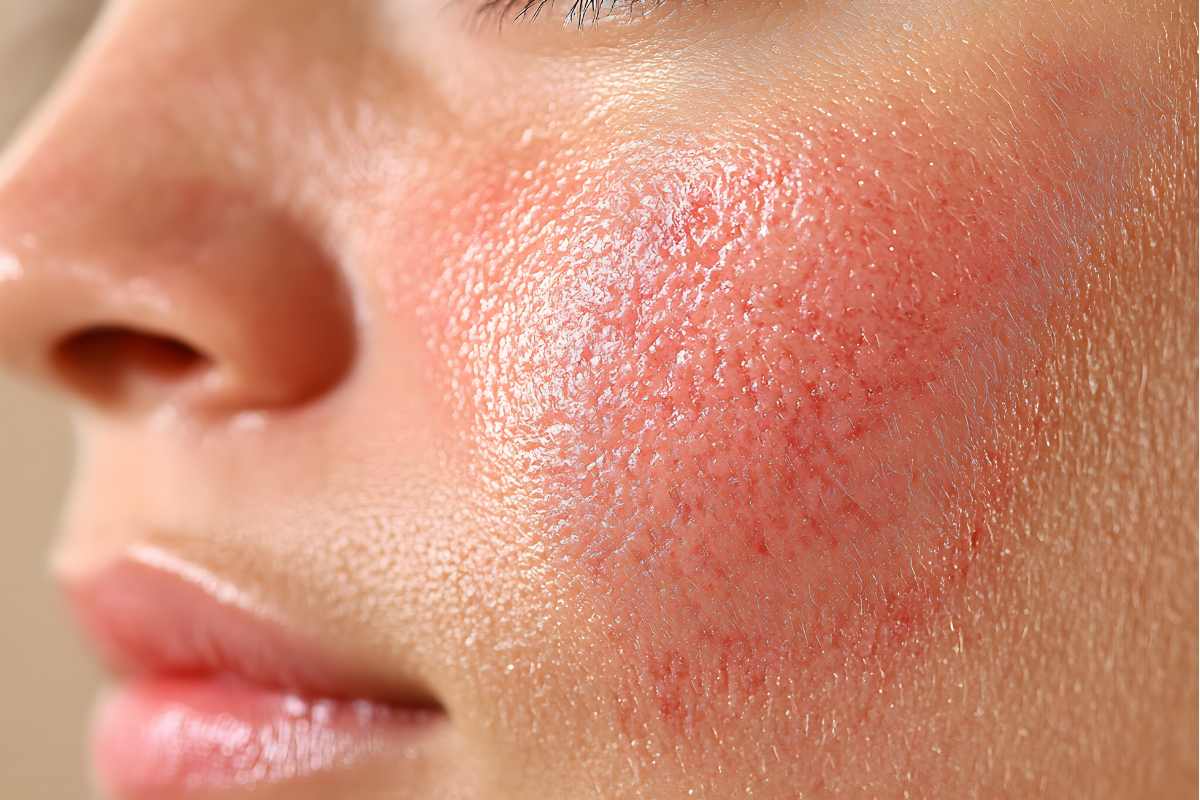
In practical terms this means that skin may become more reactive, slower to heal and less predictable long before any obvious digestive problem is recognised. Conditions such as acne, rosacea, eczema and psoriasis are increasingly understood to have systemic inflammatory components linked to gut-derived immune signalling. Even in individuals without diagnosed skin disease, subtle disturbances in gut health can amplify redness, impair barrier function and blunt the skin’s ability to recover from environmental stressors or in-clinic treatments.
Understanding the gut–skin axis therefore is important to consider when we think about supplementation. What matters is how effectively nutrients are absorbed, how much inflammatory noise is present upstream and whether immune signalling allows skin repair processes to proceed efficiently. This is where the ‘biotics’ can be useful, but only if precisely used.
Understanding the ‘biotic’ supplements relies on the appreciation that the gut ‘flora’ or microbiome is a dynamic, living thing. The colonies of bacteria and other microbes in the gut are sensitive to many factors, functioning and competing like colonies generally that interact with one another, depending on resources and the environmental conditions. For example, specific bacteria may become depleted if the environment is not ideal, allowing other bacterial strains to act opportunistically to colonise the area - leading to changes in gut function. The aim of any supplement is therefore to help optimise the colonies of ‘good’ bacteria and minimise the appearance of ‘bad’ bacteria. The biotics are generally divided as follows:
- Probiotics are the actual live bacteria themselves. The probiotic strains with the strongest evidence in skin and immune modulation include Lactobacillus rhamnosus (particularly GG), Lactobacillus paracasei, Lactobacillus plantarum, Bifidobacterium longum, Bifidobacterium lactis and Bifidobacterium breve. The best human evidence for their use in supplements exists in inflammatory skin disease, particularly atopic dermatitis, where randomised trials and meta-analyses show that certain probiotic mixtures can improve clinical severity in some adults, though results are heterogeneous and not universal. Evidence in acne is emerging rather than definitive but recent systematic reviews and trials suggest oral probiotics may reduce acne severity and inflammatory lesion counts (likely via immune modulation and effects on systemic inflammation and insulin signalling).
- Prebiotics are different: these are the substrates (i.e. the food) that feed the microbes of the gut. Presence of ideal prebiotics in supplements and diet (i.e. the ones that the ‘good bacteria’ like) often helps increase production of anti-inflammatory metabolites by the ‘good bacteria’ in the gut.
- Synbiotics combine a probiotic with its preferred prebiotic fuel - this may improve colonisation and effect size in some contexts.
- Postbiotics are molecules or metabolites produced by the bacteria, not the bacteria themselves. These are increasingly discussed as potentially safer, more standardisable options to help optimise bacterial load in the gut, with early evidence in atopic dermatitis.
From a practical standpoint, when gut inflammation is lowered and microbiome signalling stabilises, the skin often becomes calmer and more resilient and topical routines often start working better because the background inflammatory noise from the gut reduces. Morning is generally the most appropriate time to support these pathways, when digestion is active and supplements are least likely to interfere with sleep.
Morning skin supplements: reducing the daily damage load
Daytime skin is defensive skin. From the moment we wake, we expose ourselves to ultraviolet radiation, air pollution, psychological stress and metabolic noise. Cortisol is higher. Oxidative stress accumulates. The skin’s priority during the day is containment. Morning supplementation can support this defensive role by reducing oxidative burden and inflammatory amplification.
Antioxidants are often discussed as if they were interchangeable, but they are not. They operate in different cellular compartments and participate in interconnected recycling systems. Some function primarily in lipid membranes, others in aqueous environments, others within mitochondria. Supporting this network is more effective than megadosing any single compound.
Equally important are micronutrients that act as enzymatic cofactors (many of which also have antioxidant effects). Vitamin C, for example, enables collagen synthesis but also regenerates oxidised vitamin E. Zinc supports epidermal turnover and immune regulation. Selenium contributes to endogenous antioxidant enzyme activity rather than acting directly. Vitamin D influences immune signalling within skin, particularly relevant for inflammatory conditions. A good morning routine is invisible but cumulative.
Our new AM Supplement was formulated as an addition to the morning skincare routine. Formulated with a synergistic blend of advanced antioxidants, vitamins and cellular nutrients to help defend against daily environmental stress while supporting vitality and overall wellbeing.

Evening supplements for the skin
Evening skin supplements should reflect what the body is biologically trying to do after dark, i.e. recalibrate stress signalling, restore metabolic balance and repair tissue. Skin regeneration is tightly linked to the architecture of your sleep patterns. During deep slow-wave sleep, growth hormone secretion increases, protein synthesis is enhanced and immune activity shifts toward restoration (rest and digest). During this time, fibroblasts increase matrix production, barrier lipids are replenished and oxidative damage accumulated during the day begins to be processed by the production of natural antioxidants such as glutathione.
Chronic stress interferes with this sequence by blocking (or reducing) the amount of quality REM (rapid eye movement) and deep sleep. Persistent sympathetic activation and elevated evening cortisol secondary to stress blunts growth hormone release, increases inflammatory signalling and impairs overnight barrier recovery. The net result of this is that the skin that heals more slowly, becomes reactive more easily and gradually loses structural integrity more quickly than it should. Evening supplementation therefore has a specific purpose: to lower physiological noise, boost sleep and support the internal conditions required for repair.
Magnesium is foundational here, particularly well-absorbed forms such as magnesium glycinate or magnesium bisglycinate, which support nervous system calm through modulation of NMDA and GABA receptors while also assisting ATP (energy) utilisation at a cellular level. Magnesium threonate may be helpful where cognitive hyperarousal disrupts sleep, given its ability to cross the blood–brain barrier. By contrast, poorly absorbed forms such as magnesium oxide rarely meaningfully influence sleep quality.
L-tryptophan, an essential amino acid (i.e. one that the body cannot produce itself), which is converted to 5-HTP, supports endogenous serotonin and melatonin synthesis, helping regulate sleep onset and circadian timing. Glycine, another amino acid, taken in the evening, may also enhance sleep depth and thermoregulation, contributing to more restorative sleep cycles.
Other evening supplements include adaptogenic extracts such as well-standardised Ashwagandha (Withania somnifera), which can help reduce evening cortisol levels in stressed individuals, indirectly supporting growth hormone release and overnight repair. Ashwagandha is traditionally classified as an adaptogen, though that word is often used too loosely. The more precise description is that it appears to modulate the hypothalamic–pituitary–adrenal (HPA) axis and reduce cortisol in chronically stressed individuals. KSM-66 is a specific, high-concentration root extract standardised for withanolide content and produced using a full-spectrum extraction process. It has been studied in several randomised controlled trials assessing stress, anxiety and sleep parameters.
A double-blind, placebo-controlled study in chronically stressed adults demonstrated significant reductions in serum cortisol levels alongside improvements in perceived stress scores (Chandrasekhar et al., 2012). More recently, a randomised trial examining sleep quality found that ashwagandha extract improved sleep onset latency, total sleep time and sleep efficiency compared with placebo, particularly in individuals with insomnia symptoms (Langade et al., 2019). The relevance to the tryptophan–serotonin–melatonin pathway is indirect but important. By lowering chronic cortisol and reducing sympathetic overactivation, ashwagandha may decrease the inflammatory and stress-mediated diversion of tryptophan down the kynurenine pathway.
Vitamin A is another interesting supplement that can be taken in the evening. It occupies a particularly interesting position in evening repair physiology because it functions as a genetic regulator. In its biologically active forms, primarily retinol and its metabolite retinoic acid, vitamin A binds to nuclear retinoic acid receptors (RARs) and retinoid X receptors (RXRs), influencing transcription of genes involved in keratinocyte differentiation, epidermal turnover and barrier integrity. At physiological doses, this translates into support for orderly epithelial maturation rather than accelerated exfoliation. It helps maintain cohesive stratum corneum architecture (i.e. the upper levels of the epidermis of the skin), regulates sebaceous (oil) activity and modulates immune signalling within the skin, including T-cell differentiation and inflammatory cytokine expression. Importantly, vitamin A also influences collagen production indirectly by affecting fibroblast behaviour and matrix remodelling pathways.
In the context of overnight repair, adequate vitamin A status (both topically and taken orally) ensures that cell differentiation proceeds in a controlled, organised fashion. It is not a stimulant and does not ‘speed up’ the skin. Instead, it provides the transcriptional guidance required for structured regeneration, allowing repair to occur in a way that is balanced rather than chaotic.
Overall, with nighttime supplements for the skin, patients often report that once sleep stabilises, their skin becomes calmer and more resilient before they see changes in fine lines. That observation reflects improved barrier recovery and reduced inflammatory signalling. Evening supplementation works best when it supports circadian rhythm rather than overriding it, allowing repair to proceed as biology intends. Our new PM Supplement is designed to support this phase of the circadian rhythm, helping the body transition into a stage of rest and recovery.

Why a simple morning and evening skin supplement routine is essential
Simplicity in supplementation reflects respect for how physiology actually works. The most effective routine is one that remains consistent over years rather than weeks with two deliberate points in the day: morning and evening being sufficient. Skin does not require constant rotation of ingredients, elaborate cycling schedules or anxiety over the occasional missed dose. What it responds to most reliably is steadiness and consistency with good ingredients with a rational and well curated evidence base.
Skin is sensitive to internal variability. Fluctuations in stress, sleep, inflammation and metabolic load are often mirrored on the surface. A thoughtful supplement routine should contribute to lowering that internal variability in a cumulative way. For this reason, I have developed a new AM | PM Supplement System, a two-step supplement routine designed to support skin health, energy and overnight recovery from within. When antioxidant systems are supported, inflammatory signalling is moderated and sleep quality improves, skin tends to become more predictable and more resilient.
Used intelligently, supplementation can enhance the performance of topical retinoids, sunscreen and in-clinic procedures by strengthening the underlying biology they depend upon. My guiding principle remains consistent: prioritise the systems that sustain healthy skin function, maintain them with discipline, and allow visible change to follow as a natural outcome of physiological balance.

References
Afzal, U.M., Tyring, S.K., Malik, K. and Mahmoud, B.H. (2023). Sleep deprivation and the skin. Clinics in Dermatology, 41(6), pp.1048–1055. Available at: https://pubmed.ncbi.nlm.nih.gov/37288611/ [Accessed 25 January 2026].
Asserin, J., Lati, E., Shioya, T. and Prawitt, J. (2015). The effect of oral collagen peptide supplementation on skin moisture and the dermal collagen network. Journal of Cosmetic Dermatology, 14(4), pp.291–301. Available at: https://doi.org/10.1111/jocd.12174 [Accessed 21 January 2026].
Bolke, L., Schlippe, G., Gerß, J. and Voss, W. (2019). A collagen supplement improves skin hydration, elasticity, roughness, and density: results of a randomized, placebo-controlled, blind study. Nutrients, 11(10), 2494. Available at: https://doi.org/10.3390/nu11102494 [Accessed 21 January 2026].
Borumand, M. and Sibilla, S. (2014). Daily consumption of the collagen supplement Pure Gold Collagen® reduces visible signs of aging. Clinical Interventions in Aging, 9, pp.1747–1758. Available at: https://doi.org/10.2147/CIA.S65939 [Accessed 21 January 2026].
Chandrasekhar, K., Kapoor, J. and Anishetty, S. (2012). A prospective, randomized double-blind, placebo-controlled study of safety and efficacy of a high-concentration full-spectrum extract of Withania somnifera root in reducing stress and anxiety in adults. Indian Journal of Psychological Medicine, 34(3), pp.255–262. Available at: https://pubmed.ncbi.nlm.nih.gov/23439798/ [Accessed 15 February 2026]
Choi, F.D., Sung, C.T., Juhasz, M.L.W. and Mesinkovska, N.A. (2019). Oral collagen supplementation: a systematic review of dermatological applications. Journal of Drugs in Dermatology, 18(1), pp.9–16. Available at: https://jddonline.com/articles/oral-collagen-supplementation-a-systematic-review-of-dermatological-applications-S1545961619P0009X/ [Accessed 21 January 2026]
de Miranda, R.B., Weimer, P. and Rossi, R.C. (2021). Effects of hydrolyzed collagen supplementation on skin aging: a systematic review and meta-analysis. International Journal of Dermatology, 60(12), pp.1449–1461. Available at: https://doi.org/10.1111/ijd.15518 [Accessed 25 January 2026]
Salem, I., Ramser, A., Isham, N. and Ghannoum, M.A. (2018). The gut microbiome as a major regulator of the gut–skin axis. Frontiers in Microbiology, 9, 1459. Available at: https://doi.org/10.3389/fmicb.2018.01459 [Accessed 25 January 2026].
Hagen, T.M., Ingersoll, R.T., Lykkesfeldt, J., Liu, J., Wehr, C.M., Vinarsky, V., Bartholomew, J.C. and Ames, B.N. (1999). (R)-α-Lipoic acid-supplemented old rats have improved mitochondrial function, decreased oxidative damage, and increased metabolic rate. The FASEB Journal, 13(2), pp.411–418. Available at: https://pubmed.ncbi.nlm.nih.gov/9973329/ [Accessed 1 February 2026]
Hedin, C.R.H., Sonkoly, E., Eberhardson, M. and Ståhle, M. (2021). Inflammatory bowel disease and psoriasis: modernizing the multidisciplinary approach. Journal of Internal Medicine, 290(2), pp.257–278. Available at: https://doi.org/10.1111/joim.13282 [Accessed 25 January 2026]
Hillier, R.A., Gibson, R., Maruthappu, T., Whelan, K., Prpa, E.J., Neill, H.R., Phillips, C.G. and Hall, W.L. (2025). Probiotics, prebiotics, and synbiotics as oral supplements for skin health, function, and disease throughout the life course: a scoping review. Nutrition Reviews. Available at: https://doi.org/10.1093/nutrit/nuaf205 [Accessed 9 February 2026]
Kahan, V., Andersen, M.L., Tomimori, J. and Tufik, S. (2010). Can poor sleep affect skin integrity? Medical Hypotheses, 75(6), pp.535–537. Available at: https://pubmed.ncbi.nlm.nih.gov/20678867/ [Accessed 25 January 2026].
Knott, A., Achterberg, V., Smuda, C., Mielke, H., Sperling, G., Dunckelmann, K., Vogelsang, K. and Blume-Peytavi, U. (2015). Topical treatment with coenzyme Q10-containing formulas improves skin’s Q10 level and reduces wrinkle depth. BioFactors, 41(6), pp.450–456. Available at: https://doi.org/10.1002/biof.1239 [Accessed 25 January 2026].
Langade, D., Kanchi, S., Salve, J., Debnath, K. and Ambegaokar, D. (2019). Efficacy and safety of Withania somnifera (Ashwagandha) root extract in insomnia and anxiety: A double-blind, randomized, placebo-controlled study. Cureus, 11(9), e5797. Available at: https://doi.org/10.7759/cureus.5797 [Accessed 15 February 2026]
Navarro-López, V., Ramírez-Boscá, A., Ramón-Vidal, D., Ruzafa-Costas, B., Genovés-Martínez, S., Chenoll-Cuadros, E., Carrión-Gutiérrez, M., de la Parte, J.H. and Prieto-Merino, D. (2018). Effect of oral administration of a mixture of probiotic strains on SCORAD index and use of topical steroids in young patients with moderate atopic dermatitis: a randomized clinical trial. JAMA Dermatology, 154(1), pp.37–43. Available at: https://jamanetwork.com/journals/jamadermatology/fullarticle/2661596 [Accessed 9 February 2026]
Oyetakin-White, P., Suggs, A., Koo, B., Matsui, M.S., Yarosh, D., Cooper, K.D. and Baron, E.D. (2015). Does poor sleep quality affect skin ageing? Clinical and Experimental Dermatology, 40(1), pp.17–22. Available at: https://pubmed.ncbi.nlm.nih.gov/25266053/ [Accessed 25 January 2026].
Smith, R.K., Patel, S., Gordon, A. and Lee, M.J. (2025). Collagen supplementation: clinical efficacy and limitations. American Journal of Surgery, 229(3), pp.512–518. Available at: https://linkinghub.elsevier.com/retrieve/pii/S0002934325002839 [Accessed 21 January 2026].
Thye, A.Y.K., Bah, Y.M., Law, J.W.-F., Tan, L.T.-H., He, Y.-W., Wong, S.H., Ab Mutalib, N.-S., Chan, K.-G. and Lee, L.-H. (2022). Gut–Skin Axis: Unravelling the Connection between the Gut Microbiome and Skin Health. Biomedicines, 10(5), 1037. Available at: https://www.mdpi.com/2227-9059/10/5/1037 [Accessed 25 January 2026]
Watson, R.E.B., Gibbs, N.K., Griffiths, C.E.M. and Sherratt, M.J. (2014). Damage to skin extracellular matrix induced by UV exposure. Antioxidants & Redox Signaling, 21(7), pp.1063–1077. Available at: https://pubmed.ncbi.nlm.nih.gov/24124905/ [Accessed 25 January 2026]