Rosacea

Results

Before
Before
After Polynucleotides

In clinic

Our treatments

Treatments for Rosacea

Microbiome Facial

Our Microbiome Facial utilises advanced Lumixa 'FLE' Technology to treat rosacea, stimulating skin barrier repair and cellular regeneration. The Fluroscent Light Energy, or 'FLE', generated by Lumixa signals cells to calm inflammation, one of the core skin concerns related to rosacea, visibly reducing redness and improving sensitivity. For optimal results, we recommend six treatments, one week apart.

ExoTech Exosome Therapy

Our ExoTech™ Exosome Therapy offers a revolutionary approach to managing rosacea. These tiny extracellular vesicles derived from stem cells possess potent anti-inflammatory and regenerative properties. Exosomes can precisely target and modulate the underlying causes of rosacea, reducing redness, inflammation, and visible blood vessels. By delivering therapeutic molecules directly to affected skin cells, exosomes promote healing, restore skin barrier function, and alleviate symptoms without the side effects associated with traditional medications.

Lumecca™ IPL Therapy

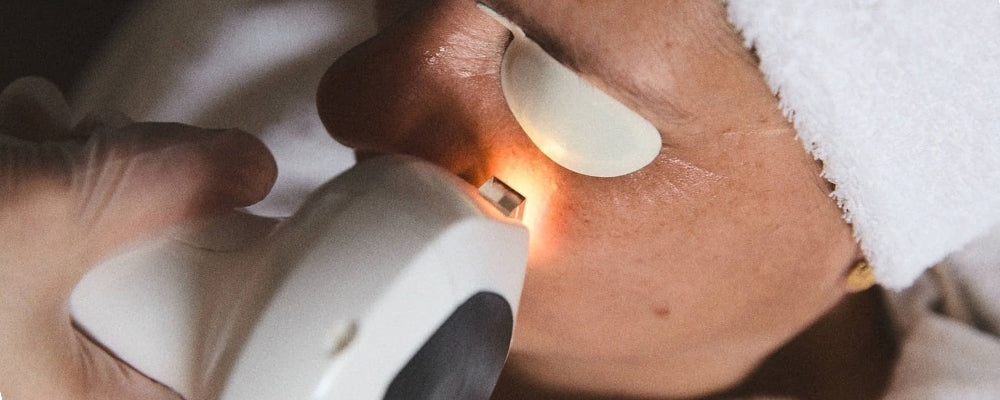
Lumecca™ IPL (Intense Pulsed Light) can be used to treat Rosacea in caucasian or mediteranean skin. This advanced light-based therapy targets the excessive blood vessels and pigmentation responsible for the rosacea symptoms. The intense pulses of broad-spectrum light penetrate the skin and are absorbed by the hemoglobin in the dilated blood vessels, causing them to constrict and eventually disappear. Additionally, Lumecca™ IPL helps reduce inflammation and redness by inhibiting the production of inflammatory agents. With its precise and controlled delivery, this treatment (we usually advise about 4 sessions for optimal results) provides long-lasting improvement in rosacea symptoms without downtime or significant side effects.

Doctor-led
Certified B Corp
London, Edinburgh & Cotswolds clinics

SKINCARE TO TREAT ROSACEA

treatments for rosacea

What is Rosacea?

The skin condition rosacea most commonly affects the face and is characterised by redness and facial flushing, small bumps on the skin including pus-filled bumps and very small but visible blood vessels. Skin can feel hot and eyes may become dry and irritated. Although less common, rosacea can also cause skin to thicken on the nose. This is known as rhinophyma and is more common in men than it is in women.

Some of the symptoms of rosacea may flare up for weeks or months before disappearing for a while.

Although the root cause of rosacea is still being looked into, genetics is thought to play a role and issues with blood vessels can also trigger redness and flushing. There are several factors which can contribute to a rosacea flare up including spicy food, stress, extreme temperatures, alcohol and certain skin care products.

Some people are more susceptible to rosacea including those with fair skin, adults between the ages of 30 and 50 and women going through hormonal changes associated with menopause or pregnancy. Despite this, rosacea can affect anyone.

Whilst lifestyle changes can help to lessen the impact of rosacea, there are also treatments which can help. Get in touch to find out what we offer.

Our practitioners

Clinic reviews

What our patients say

Reviews from across our London, Edinburgh & Cotswolds clinics