What Causes Wrinkles and Volume Loss? The Science of Skin Ageing Explained

Ageing, for all its inevitability, is rarely gentle. One morning you catch sight of yourself in the mirror and notice that expression lines are lingering long after your expression has gone. Or the mid-face, once blissfully self-supporting, begins a quiet, downward shuffle. Patients often ask me why this happens, as though they’ve personally offended their collagen. In reality, skin ageing is an exquisitely complex biological process that blends genetics, lifestyle, hormones and the cumulative effects of ultraviolet light, pollution and inflammatory stress.
The result is the gradual unravelling of the numerous structural pillars that create your facial structure: bone, fat, muscle, then the collagen, elastin and the extracellular matrix of the skin itself. This article explores the science of skin ageing, collagen breakdown, elastin loss and facial volume changes, and what modern aesthetic medicine and anti-ageing skincare can actually do to resist, delay and, where possible, reverse the process.
The Biology of Ageing Skin: A Slow Decline in Cellular Efficiency
Our skin begins ageing long before we notice it. Fibroblasts, the cells responsible for making collagen, elastin and hyaluronic acid, become less metabolically active from around our mid-twenties. They don't retire completely, but they certainly slow down, producing fewer structural proteins and repairing damage with less enthusiasm. This gradual decline, termed ‘intrinsic ageing’, is largely genetically programmed, which is why some people appear to age at half-speed while others notice changes much earlier.
Intrinsic ageing also involves a steady shortening of telomeres (the caps on our chromosomes), a reduction in antioxidant capacity, mitochondrial slowdown and a subtle shift towards chronic low-grade inflammation, sometimes known as ‘inflammageing’. All of this contributes to diminished collagen and elastin density, a looser extracellular matrix and slower cellular turnover, giving skin that unmistakeable crepey, lax appearance.
Natural (intrinsic) vs Environmental (extrinsic) ageing: Why Lifestyle Matters More Than Genetics Thinks
If intrinsic ageing sets the baseline, environmental ageing determines the acceleration. Unfortunately this tends to be ruthless and increases over time. Ultraviolet radiation (UV-A in particular) is the single most significant extrinsic driver of collagen breakdown, causing both direct damage to molecules and also stimulating matrix metalloproteinases (MMPs) enzymes that dismantle collagen fibres faster than your fibroblasts can replace them.
Pollution adds further oxidative stress, damaging cell membranes and promoting pigmentation, while chronic psychological stress alters cortisol signalling and weakens barrier function.
Sleep deprivation is another factor that influences the skin. Lack of sleep means that the beneficial nocturnal repair mechanisms are slower, whilst poor diet starves fibroblasts of amino acids and antioxidants (I will cover this in more detail in a bit). Smoking, famously, generates a perfect storm of free radicals that tighten microvasculature and speed up elastin fragmentation. This is why two people of the same age (with similar genetic codes) can present twenty years apart in terms of skin quality. Environmental ageing is cumulative, unrelenting and remarkably responsive to lifestyle changes, which is why sun protection remains the closest thing we have to a universal youth serum.

Collagen Depletion: The Architecture Slowly Unravels
Collagen represents around 70–80% of the skin’s dry weight and functions like scaffolding in the dermis layer. In youth, collagen fibres are thick, densely packed and organised. With age, these fibres not only become thinner but also fragmented and disorganised, weakening the dermal matrix. When this architecture changes, everything sitting on top (meaning the epidermis) begins to fold inward. This folding is quite literally what becomes a wrinkle.
By our mid-forties, collagen production has dropped by roughly 25%, and in postmenopausal women it can decline by up to 30% in the first five years alone due to oestrogen depletion. This is one reason the perimenopausal transition often feels like an abrupt acceleration in visible ageing: oestrogen receptors on fibroblasts lose stimulation, causing a measurable decrease in dermal thickness and elasticity.
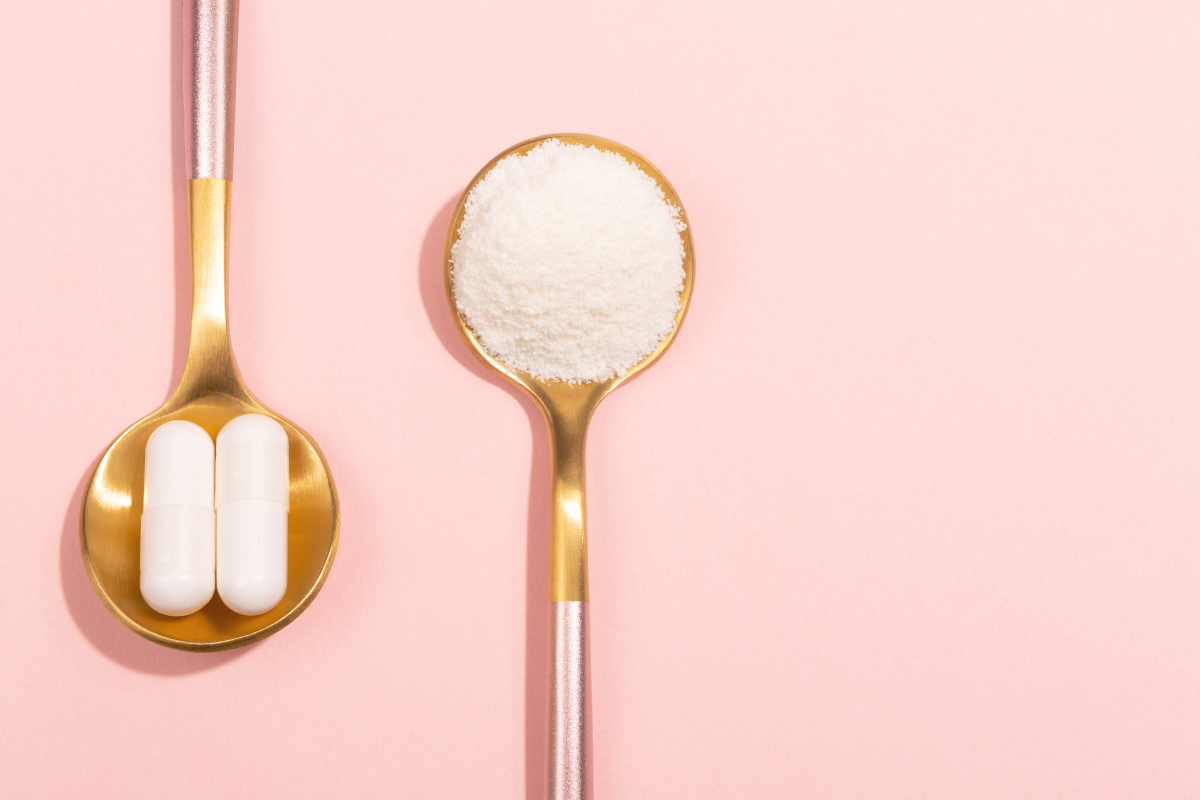
Collagen supplements have become a subject of interest in recent years and while some studies suggest benefits for hydration and fine lines, the real heavy hitters for collagen stimulation remain topical retinoids, in-clinic energy devices (such as fractional lasers and radiofrequency and injectable biostimulators such as Polynucleotides.

Elastin Loss in the Face: Why Your Skin Stops Snapping Back
Elastin is the protein that gives skin its ability to stretch and recoil. Alongside collagen, it is made relatively abundantly in childhood and adolescence but after puberty elastin synthesis slows. This means that once elastin is damaged by UV light, inflammation or natural wear and tear, the skin cannot efficiently replace it.
Over time, elastin fibres become sparse, brittle and disorganised, contributing to laxity, fine lines and a feeling that the skin is less ‘springy’ than it used to be.
The loss of elastin also affects the structural integrity of ligaments that anchor the soft tissues of the face. When these weaken, fat pads descend and redistribute, producing the classic signs of ageing, including heavier nasolabial folds, flattening of the cheeks and early jowling.
Volume Loss: The Invisible Reshaping of the Face
Beyond what we see in the mirror, ageing is also a story of skeletal and fat changes. Bone resorption in the maxilla (the bone supporting the upper teeth) and mandible (the jawbone) reduces forward projection; orbital rims (I.e. the eye sockets) widen; and the cheeks lose structural support. Fat pads shrink in some areas (cheeks, temples) and accumulate in others (jowls, under the chin), altering facial contours in a way that is very typical of ageing.
This volume change is why wrinkles, shadowing and mid-face hollowing so often appear together. The skin is therefore only part of the picture as the deeper architecture is shifting. Patients ask ‘Why do I have wrinkles when I take such good care of my skin?’. This is because ageing is a full-system process and treating the surface alone is no longer enough once deeper tissues are involved. Similarly - the concept that a skincare product can actually lift tissues where there has been volume depletion is entirely without any merit anatomically.
Inflammation and ‘Inflammageing’: A Hidden Accelerant
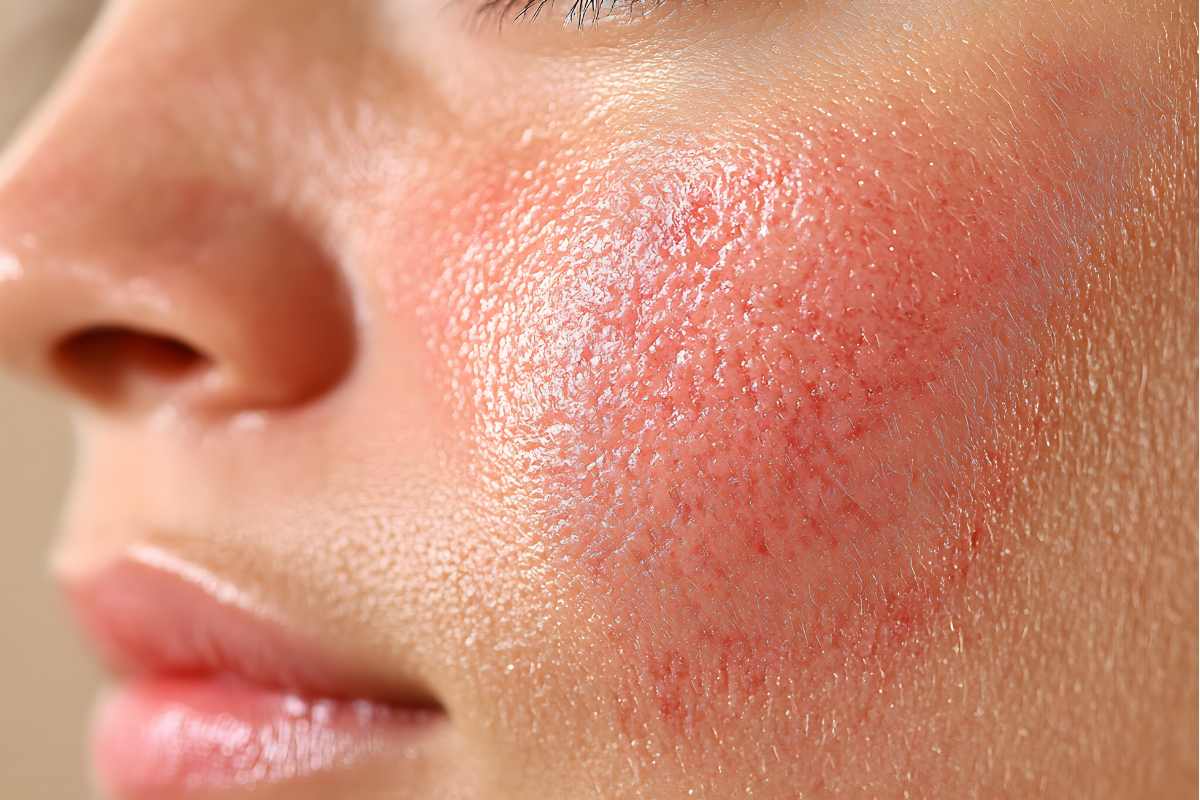
Chronic low-grade inflammation is one of the more modern ageing villains that has been recognised in recent years. This is influenced by diet, stress, hormones, pollution and even gut health. ‘Inflammageing’ disrupts collagen stability, increases MMP (matrix metalloproteinases - the enzymes that break down collagen, elastin and other dermal proteins) activity and impairs barrier function, making skin more reactive and prone to redness and sensitivity. Over time, this constant simmering of low grade inflammatory stress from UV, glycation (the stiffening of collagen through sugar cross-linking) and oxidative stress accelerates all other ageing pathways, including elastin fragmentation.
This is why antioxidants, barrier-building skincare and lifestyle factors such as sleep and stress reduction remain quietly powerful tools for skin rejuvenation.

How to Treat Wrinkles: Evidence-based approaches that actually work
Once collagen, elastin and volume have begun to decline, a strategic and layered approach tends to give the best outcomes. From the point of view of topical skincare, retinoids remain the most reliably proven ingredient for skin ageing science, increasing collagen synthesis, improving texture and reducing fine lines. Vitamin C, peptides and niacinamide support antioxidant protection and barrier function (both important for reducing inflammaging, while SPF remains essential for preventing future collagen breakdown and inflammation.
When topical interventions are no longer enough, aesthetic medicine anti-ageing treatments such as injectable neurotoxins, fillers, polynucleotides, platelet-rich plasma and energy-based devices such as Morpheus8 or fractional laser offer deeper structural change by stimulating fibroblasts or restoring lost volume. Modern treatment philosophies emphasise subtlety and regeneration rather than aggressive reshaping with the aim of restoring dermal thickness and facial harmony, not to redraw the face entirely.
Wrinkles themselves respond well to a combination of neuromodulators for dynamic lines, fractional lasers for texture, biostimulators for collagen and fillers where depressions arise from deeper volume loss. There is no single ‘best treatment for wrinkles’ only the best sequence and combination for the individual.
How to resist and delay ageing: Achievable basics
While no treatment can stop ageing, we can meaningfully and effectively slow its trajectory with modern aesthetic treatments. Daily sun protection is unequivocally the most effective (and simple) intervention from the evidence base, followed closely by retinoids, antioxidant-rich skincare and a lifestyle that minimises chronic inflammation. Staying well-hydrated, supporting the skin barrier, managing stress and prioritising sleep create conditions where fibroblasts continue working with greater efficiency.
From a medical perspective, regular but not excessive in-clinic treatments maintain collagen stimulation in a way that mirrors dental hygiene with small, consistent interventions rather than dramatic overhauls every decade.
Ageing may be unavoidable, but looking aged is profoundly modifiable. To find out more or to book in for a consultation, click here.
References
Affinito, P. et al. (1999) ‘Effects of postmenopausal hypoestrogenism on skin collagen’, Maturitas, 33(3), pp. 239–247. Available at: https://pubmed.ncbi.nlm.nih.gov/10656502/ [Accessed 8 December 2025]
Baumann, L. (2007) ‘Skin ageing and its treatment’, The Journal of Pathology, 211(2), pp. 241–251. Available at: https://pubmed.ncbi.nlm.nih.gov/17200942/ [Accessed 8 December 2025]
Brincat, M.P. (2000) ‘Hormone replacement therapy and the skin’, Maturitas, 35(2), pp. 107–117. Available at: https://pubmed.ncbi.nlm.nih.gov/10924836/ [Accessed 8 December 2025]
Gilchrest, B.A. (1989) ‘Skin aging and photoaging: an overview’, Journal of the American Academy of Dermatology, 21(3 Pt 2), pp. 610–613. Available at: https://pubmed.ncbi.nlm.nih.gov/2476468/ [Accessed 8 December 2025]
Jenkins, G. (2002) ‘Molecular mechanisms of skin ageing’, Mechanisms of Ageing and Development, 123(7), pp. 801–810. Available at: https://pubmed.ncbi.nlm.nih.gov/11869737/ [Accessed 8 December 2025]
Hall, G. and Phillips, T.J. (2005) ‘Estrogen and skin: The effects of estrogen, menopause, and hormone replacement therapy on the skin’, Journal of the American Academy of Dermatology, 53(4), pp. 555–568. Available at: https://doi.org/10.1016/j.jaad.2004.08.039 [Accessed 8 December 2025]
Helfrich, Y.R., Sachs, D.L. and Voorhees, J.J. (2008) ‘Overview of skin aging and photoaging’, Dermatology Nursing, 20(3), pp. 177–183; quiz 184. Available at: https://pubmed.ncbi.nlm.nih.gov/18649702/ [Accessed 8 December 2025]
Luebberding, S., Krueger, N. and Kerscher, M. (2013) ‘Age-related changes in skin barrier function – quantitative evaluation of 150 female subjects’, International Journal of Cosmetic Science, 35(2), pp. 183–190. Available at: https://pubmed.ncbi.nlm.nih.gov/23113564/ [Accessed 8 December 2025].
Makrantonaki, E. and Zouboulis, C.C. (2007) ‘Molecular mechanisms of skin aging: state of the art’, Annals of the New York Academy of Sciences, 1119(1), pp. 40–50. Available at: https://doi.org/10.1196/annals.1404.027 [Accessed 8 December 2025]
Pandel, R. et al. (2013) ‘Skin photoaging and the role of antioxidants in its prevention’, ISRN Dermatology, 2013, Article ID 930164. Available at: https://pubmed.ncbi.nlm.nih.gov/24159392/ [Accessed 8 December 2025]
Poljšak, B., Dahmane, R. and Godic, A. (2013) ‘Skin and antioxidants’, Journal of Cosmetic and Laser Therapy, 15(2), pp. 107–113. Available at: https://pubmed.ncbi.nlm.nih.gov/23384037/ [Accessed 8 December 2025]
Rinnerthaler, M. et al. (2015) ‘Oxidative stress in aging human skin’, Biomolecules, 5(2), pp. 545–589. Available at: https://pubmed.ncbi.nlm.nih.gov/25906193/ [Accessed 8 December 2025]
Varani, J. et al. (2006) ‘Decreased collagen production in chronologically aged skin: roles of age-dependent alteration in fibroblast function and defective mechanical stimulation’, American Journal of Pathology, 168(6), pp. 1861–1868. Available at: https://pubmed.ncbi.nlm.nih.gov/16723701/ [Accessed 8 December 2025]